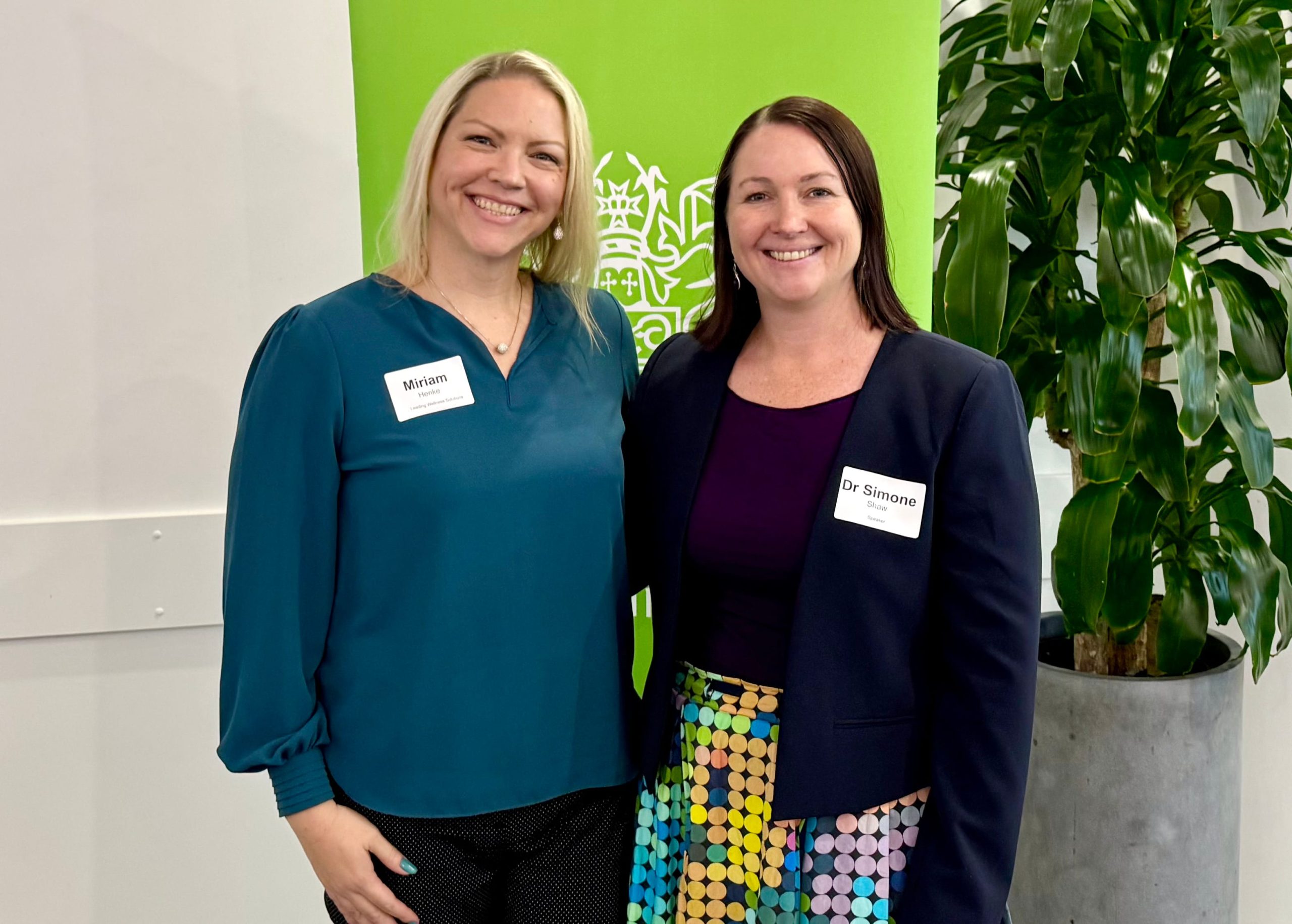

As workplace psychologists, we’ve spent decades helping leaders and teams across industries understand one truth: a supportive and positive workplace culture isn’t a “nice-to-have.” It’s the foundation of organisational health, employee wellbeing, and sustainable success. When culture supports, performance follows.
Drawing from our recent webinar, Building a Supportive Work Culture, and current global research, we have designed this article to guide leaders, HR professionals, and decision-makers through the “why” and “how” of creating supportive, positive, and psychologically safe workplaces.
Why Positive Work Culture Matters More Than Ever
Work culture is the unseen architecture of every organisation influencing how people feel, perform, and stay. Studies consistently show that positive workplaces improve both wellbeing and business outcomes.

According to Gallup (2023), highly engaged teams experience:
- 21% higher profitability
- 20% higher sales
- 37% lower absenteeism
- Up to 65% lower turnover
- 48% fewer safety incidents
The University of Warwick found that happy employees are 12% more productive than their peers (Oswald et al., 2015). Meanwhile, the World Health Organisation and International Labour Organisation report that poor mental health costs the global economy about US$1 trillion annually in lost productivity (WHO/ILO, 2022).
These numbers tell a simple truth: when we invest in a supportive and positive culture for work, we’re not just improving morale, we’re strengthening the bottom line.
The Psychology of a Positive Workplace
A positive workplace culture rests on two interlinked pillars: psychological safety and psychosocial safety.
Psychological Safety

Coined by Harvard’s Amy Edmondson, psychological safety describes a team environment where people feel safe to take interpersonal risks to ask questions, admit mistakes, and challenge ideas without fear of punishment or humiliation. It’s the foundation of collaboration and innovation.
Psychosocial Safety
Psychosocial safety goes beyond interpersonal comfort. It involves actively identifying and managing psychosocial hazards; work factors that can cause harm to mental health, such as excessive workload, role ambiguity, bullying, or lack of control.
For many organisations, understanding what is employee assistance program is a critical part of this approach, as EAPs provide structured, confidential support that helps employees manage psychosocial risks early and effectively.
Moreover, in Australia, managing these hazards is a legal requirement under the Model Code of Practice (Safe Work Australia, 2023).
Both concepts work together: psychological safety helps employees speak up when something’s wrong; psychosocial safety ensures the organisation acts to fix it.
The Business Case for Supportive & Positive Culture

When workplaces prioritise psychological and psychosocial safety, the benefits ripple through every level of the organisation:
- Better retention and engagement: Supportive workplaces see turnover rates 25–65% lower than average (Hay Group, 2012).
- Improved customer experience: Engaged employees drive a 10% rise in customer satisfaction and up to 20% higher sales (Gallup, 2023).
- Enhanced productivity: Happy employees are 12% more productive (University of Warwick, 2015).
- Fewer safety incidents: Supportive and positive cultures report 48% fewer safety issues.
Higher ROI: Effective wellbeing programs can achieve up to a 6:1 return on investment (Deloitte, 2020).

Simply put: supporting people supports performance.
The Leadership Factor: Setting the Tone from the Top
Leadership is the single most powerful determinant of culture. Leaders define what is tolerated, celebrated, and ignored. When leadership models empathy, accountability, and clear communication, they set the standard for everyone else.

Lead with Vision and Values
Leaders should communicate a clear vision and shared values that prioritise wellbeing and inclusion. Align these with measurable behaviours — what does “respect” or “collaboration” look like in daily action?
Model Accountability
Positive work cultures thrive when leaders are self-aware enough to admit mistakes and model growth. A simple phrase “What can I do differently to support you better?” opens trust and dialogue.
Listen Actively and Authentically
Active listening builds psychological safety. Encourage leaders to be present, paraphrase what they hear, and follow up on concerns.
Recognise and Reward Often
Recognition doesn’t need to be costly. Consistent, specific acknowledgment fuels motivation and reinforces supportive behaviours.
Empathy in Action
Empathy is teachable. Training leaders to recognise emotional cues and adapt communication styles builds connection and reduces conflict. Compassion and flexibility are not “soft skills,” they’re leadership competencies.
The Power of Connection: The “Fast Fives” Approach
One of the simplest, most effective strategies we recommend is the Fast Fives method: a daily five-minute check-in with team members. It’s not a formal meeting; it’s a conversation.
Whether it’s a quick greeting, a question about their workload, or just “How was your weekend?”, these brief connections help identify issues early, prevent burnout, and humanise leadership. In large teams or warehouses, rotating sections or using rapport leaders ensures everyone feels seen and heard.
Connection builds trust. Trust builds performance.
Building Collaboration, Joy, and Belonging

Team belonging doesn’t happen by chance, it’s built through shared purpose and regular connection.
Ways to foster collaboration:
- Co-design goals and projects with staff to boost ownership.
- Celebrate milestones and recognise effort publicly.
- Use peer shadowing or cross-department liaisons to share knowledge.
- Introduce team-building activities that are actually enjoyable and inclusive.
Humour and play are underrated drivers of team bonding. When people laugh together, stress drops, empathy rises, and relationships strengthen.
Communication and Feedback Systems that Build Trust

Healthy and positive work cultures thrive on transparency. When communication flows openly and feedback is handled respectfully, psychological safety strengthens.
Best Practices You Can Follow
- Implement 360-degree feedback systems.
- Use the “You said, we did” approach to demonstrate action from employee input.
- Train staff on how to give and receive feedback effectively. It’s a learned skill.
- Conduct culture surveys to assess perceptions of trust, safety, and inclusion.
Feedback is fuel for growth. What matters most is how organisations act on it.
Empathy, Flexibility, and Personal Leadership

Empathy and flexibility are not limited to senior management; they’re cultural traits. Encourage every employee to take personal leadership: ownership of their own wellbeing, relationships, and contribution.
Flexible Work as a Wellbeing Strategy
A 2023 Boston Consulting Group study found that flexible work arrangements reduced burnout risk by 30% and improved retention by 20%. When employees feel trusted to balance their time and energy, their productivity and loyalty increase.
Building Empathy Across Levels
Empathy development exercises, perspective-taking, and compassion training are valuable additions to any workplace wellbeing strategy. These enhance psychological flexibility; the mental agility to handle stress and change effectively.
Implementing Culture Change: From Intent to Impact
Creating a positive work culture isn’t a campaign; it’s a system. Sustainable change requires leadership buy-in, measurable outcomes, and aligned policies.
Step 1: Secure Executive Commitment
Start with the “why.” Use hard data: turnover costs, engagement scores, absenteeism rates to show the business case.
Step 2: Start Small, Measure, Scale
Pilot a program (e.g., leadership empathy training or Fast Fives) for 90 days. Measure changes in engagement, satisfaction, or absenteeism. If it works, expand.
Step 3: Align Policy with Purpose
Policies must reflect your culture goals. This includes flexible work guidelines, anti-bullying and harassment protocols, diversity initiatives, and clear wellbeing frameworks.
Step 4: Educate and Empower
Offer training on communication, resilience, mental health literacy, and emotional intelligence. Equip leaders to spot early signs of distress and respond appropriately.
Step 5: Track and Review Progress
Establish metrics that matter: absenteeism, engagement, retention, and employee sentiment. Share results transparently.
Case Study: How Google Made Culture a Strategic Advantage

Google’s employee wellbeing program integrated fitness, nutrition, flexibility, and mental health resources. The outcome: a 15% productivity increase and 25% reduction in voluntary departures (Google HR Analytics, 2021). Beyond numbers, Google’s employer brand strengthened, attracting higher-quality candidates and sustaining innovation.
The takeaway? Investing in wellbeing pays dividends, both human and financial.
Measuring Success: Lead and Lag Indicators
Lead indicators (predictors of success):
- Employee engagement pulse scores
- Psychological safety index
- Feedback participation rates
- Connection measures (e.g., “I feel valued by my team”)
Lag indicators (outcomes of culture):
- Turnover and absenteeism
- EAP utilisation
- Mental health-related claims
- Customer satisfaction ratings
Track both to understand your culture’s true health.
How Leaders Can Reset a Team’s Culture
Sometimes, teams need a cultural reset. This can be done through:
- 360-degree feedback to identify leadership blind spots.
- One-on-one meetings asking, “How can I support you better?”
- Team retreats to co-create new norms and values.
- Leader vulnerability: owning mistakes to rebuild trust.
Culture change takes time and consistency. But as we remind clients: inaction is also an action and it carries a cost.
Compliance and Global Standards
In Australia, the model Code of Practice (Safe Work Australia, 2023) requires employers to identify and control psychosocial risks. Internationally, ISO 45003 provides best-practice guidance for managing psychological health within occupational safety systems.
These frameworks provide a roadmap, but culture is built locally in every meeting, every check-in, and every act of care.
Supportive & Positive Workplace Culture Is In Best Interest Of Everyone
Positive workplace culture is not a perk, it’s a performance strategy. Organisations that invest in wellbeing, empathy, and open communication see measurable gains in productivity, engagement, and retention. Leaders hold the key. Through daily connection, consistent communication, and empathy-led accountability, they create workplaces where people and profits thrive together.
So, the more you invest in building a positive work culture for your organisation, the better are your chances of not only keeping your people well and happy but also of achieving success on every business level and boost your overall ROI and bottom line. At Leading Wellness Solutions, we have been helping organisations to build an incredibly positive work culture for their employees and if you want any help doing it for your organisation, do feel free to contact us and we’d love to help you.