
Conflict is an inevitable part of any workplace environment. It arises due to differences in opinion, values, or perspectives, and it can manifest in various forms, from minor disagreements to major confrontations. However, the way in which conflict is handled plays a crucial role in determining its impact on productivity, team dynamics, and overall organisational culture. As a clinical psychologist and clinical neuropsychologist providing corporate psychology services over the past 18 years, I have worked with many individuals and organisations to develop effective conflict resolution strategies, and in this blog, I will outline several proven techniques to manage and resolve conflict in the workplace.
In this guide, you will learn about key conflict management strategies, best practices for handling workplace conflict, and practical approaches to resolving disagreements in a healthy and constructive way to ensure a positive and healthy workplace culture. Whether you are a leader, manager, or employee, these insights will equip you with the tools needed to address disputes and improve workplace dynamics.
Understanding Workplace Conflict
Before diving into specific conflict resolution strategies, it’s important to first understand the nature of workplace conflict. Conflict can arise for many reasons:
Communication Issues
Misunderstandings or lack of clear communication often lead to friction between team members.
Personality Clashes
Different personality types can sometimes lead to disagreements or tension.
Workplace Stress
High-pressure environments and deadlines can lead to emotional stress, which might fuel conflict.
Power Dynamics
Hierarchical differences can create feelings of inequality, leading to disagreements between employees and management.
Unresolved Issues
If conflicts are ignored or not addressed promptly, they can escalate into larger issues.
While conflict can feel uncomfortable, it’s essential to recognise that it doesn’t always have to be negative. Managed effectively, it can lead to better understanding, innovation, improved relationships among team members, and a resilient workplace.
Conflict Resolution Strategies
To create a productive and harmonious workplace, it’s essential to implement effective conflict resolution strategies. Here are several techniques you can use to resolve conflicts constructively:
Active Listening
What it is: Active listening is a communication technique that involves fully concentrating on what is being said rather than just passively hearing the message. When employees or managers engage in active listening, they demonstrate empathy and understanding toward the other party’s point of view.
Why it works: Many workplace conflicts stem from poor communication, often because one party feels misunderstood. Active listening helps to clarify misunderstandings and fosters mutual respect.
Practical Example:
Imagine two colleagues, Sarah and John, who are arguing over the direction of a project. Instead of interrupting each other, they take turns to listen to one another’s concerns without judgment. Sarah actively listens to John’s points about the project’s timeline and gives him the opportunity to explain his reasoning. John, in turn, listens to Sarah’s concerns regarding the project’s budget constraints. After both parties feel heard, they work together to find a compromise that works for both.
Key Takeaway: By practicing active listening, individuals can de-escalate a conflict and create a foundation for collaborative problem-solving.
Remain Calm and Manage Your Emotions
What it is: When emotions run high, it can be difficult to resolve a conflict rationally. Staying calm and managing emotional reactions can prevent a disagreement from escalating.
Why it works: Maintaining emotional control allows you to think clearly, respond thoughtfully, and avoid saying or doing something that could worsen the situation.
Practical Example:
A manager, Michael, is confronted by an employee, Laura, who is upset about a recent feedback session. Instead of reacting defensively or raising his voice, Michael takes a deep breath and acknowledges Laura’s feelings. He calmly explains his perspective, focusing on facts rather than emotions. This approach not only diffuses the tension but also sets the tone for a more constructive conversation.
Key Takeaway: By keeping your emotions in check, you create a more conducive environment for resolution and avoid further inflaming the conflict.
Collaborative Problem Solving
What it is: Collaborative problem-solving involves both parties working together to identify a solution that meets the needs of everyone involved.
Why it works: This strategy fosters teamwork and ensures that both parties feel valued and understood. It encourages cooperation rather than competition.
Practical Example:
Two team members, Alex and Paula, disagree over how to divide responsibilities for an upcoming presentation. Instead of one person taking charge, they decide to collaborate and explore ways they can share tasks more equitably. By focusing on a shared goal—delivering a successful presentation—they brainstorm ways to divide tasks that align with each person’s strengths.
Key Takeaway: Collaborative problem-solving transforms conflict into an opportunity for mutual growth and creativity.
Establish Clear Boundaries and Expectations
What it is: Clear boundaries and expectations help prevent conflicts by ensuring that everyone understands their roles and responsibilities. This includes setting expectations around communication, behavior, and work outputs.
Why it works: When boundaries are well-defined, there is less room for miscommunication or misunderstandings, which are common sources of workplace conflict.
Practical Example:
In a team meeting, a project leader, Lisa, clearly outlines the timeline and deliverables for the upcoming project. She emphasises the need for timely updates and mutual respect when communicating about setbacks. By establishing these expectations upfront, Lisa reduces the chances of misalignment and ensures that team members know what is expected of them.
Key Takeaway: Clearly articulated expectations provide structure and help prevent conflicts before they arise.
Use Mediation for Third-Party Intervention
What it is: Mediation involves bringing in a neutral third party to help facilitate a resolution. A mediator guides the conversation, ensuring both sides have the opportunity to express their concerns and work towards a resolution.
Why it works: A neutral mediator helps to prevent biases and emotions from derailing the conversation, providing a fair and objective perspective that can lead to a solution that works for both parties.
Practical Example:
Two employees, Jack and Emily, have been in conflict over resource allocation for months. Despite their best efforts to resolve the issue themselves, the tension continues to build. Their manager, Sarah, steps in as a mediator to facilitate a conversation. After listening to both parties, Sarah helps them explore potential solutions, ultimately creating an agreement that addresses both of their concerns. With the mediator’s help, the conflict is resolved, and the team can move forward.
Key Takeaway: Mediation is a powerful tool for resolving intractable conflicts by providing a neutral space for dialogue and compromise.
Focus on Interests, Not Positions
What it is: Focusing on interests instead of positions involves addressing the underlying needs and concerns behind a conflict rather than fixating on rigid positions.
Why it works: When individuals focus on positions (i.e., “I want this” or “I need that”), it often leads to a win-lose situation. By focusing on interests (i.e., “What are the underlying needs or goals here?”), both parties are more likely to find creative solutions that satisfy everyone’s core concerns.
Practical Example:
Samantha and Oliver disagree over the allocation of tasks in a project. Samantha is adamant that she should handle the client-facing tasks, while Oliver wants to take the lead on those. Instead of focusing on these positions, they discuss their interests: Samantha values customer interaction because it boosts her professional growth, while Oliver wants to showcase his leadership skills. Through this discussion, they agree to divide the client-facing tasks in a way that provides both of them with opportunities for growth.
Key Takeaway: By focusing on interests, parties are more likely to find common ground and craft mutually beneficial solutions.
How to Resolve Conflict in the Workplace: Practical Steps
Acknowledge the Conflict: Denying that a conflict exists only allows the issue to fester. Addressing it head-on is the first step toward resolution.
Assess the Situation: Take time to understand the cause of the conflict. Is it a misunderstanding, a difference in values, or something else?
Communicate Openly: Encourage open communication where both parties express their perspectives calmly.
Seek Common Ground: Identify areas of agreement that can serve as a foundation for building a solution.
Take Action: Once a resolution has been agreed upon, take the necessary steps to implement it.
Follow-Up: After the resolution, check in with all parties to ensure the conflict has been fully resolved and that relationships have been restored.
Conclusion: The Benefits of Effective Conflict Resolution
Effective conflict resolution strategies in the workplace are not just about solving problems; they are about fostering a culture of respect, communication, and collaboration. By addressing conflicts constructively, organisations can create a psychologically safe workplace where employees feel heard, valued, and motivated to contribute to the team’s success. Whether you are a manager, employee, or team leader, developing and practicing conflict management skills is essential for a harmonious and productive workplace.
The ability to handle conflict well doesn’t just benefit individuals and teams—it also improves the overall health of the organisation. By implementing conflict resolution techniques, you’re not just resolving disputes; you’re creating a stronger, more resilient workplace.
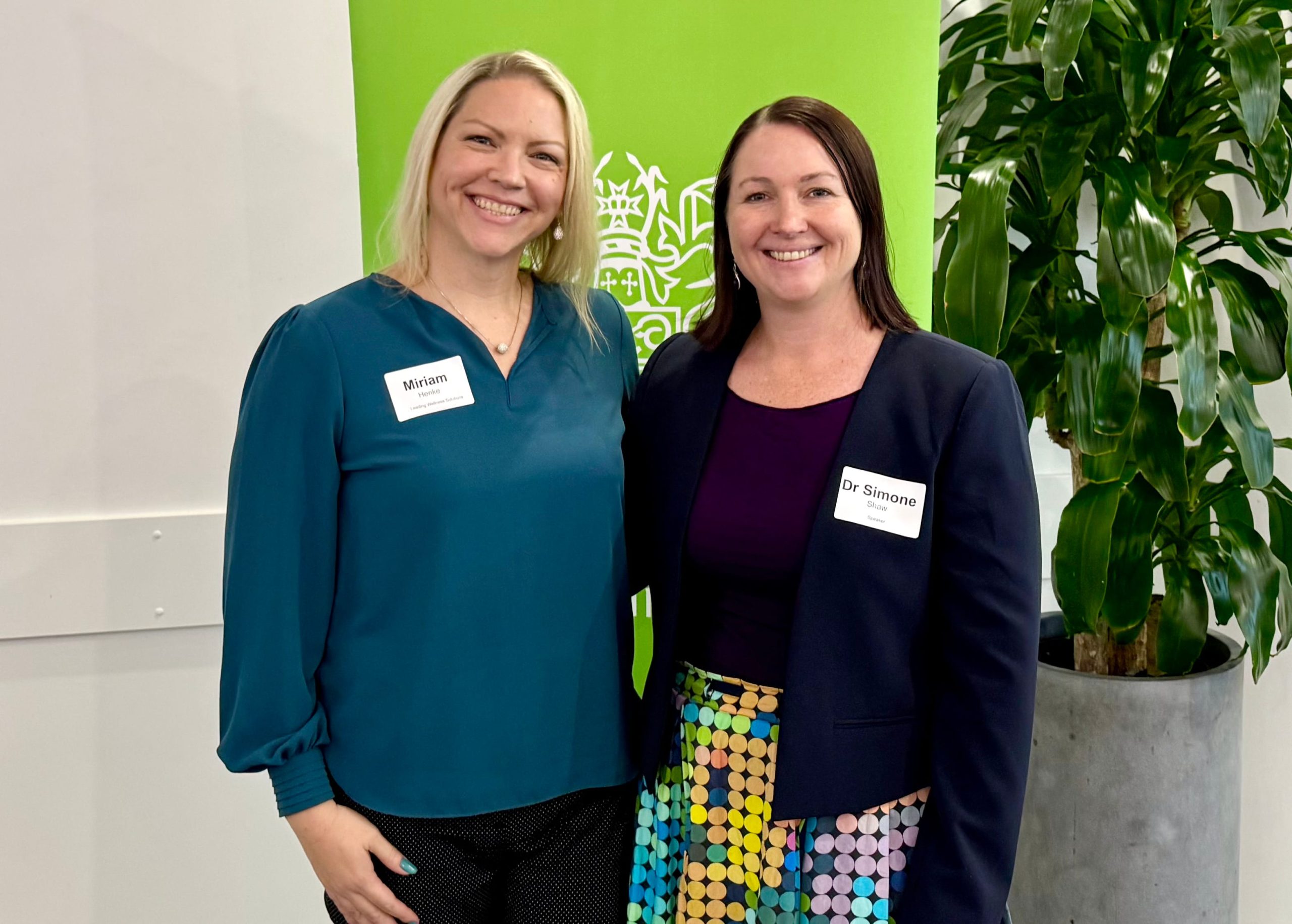
At Leading Wellness Solutions, we specialise in helping organisations and individuals develop tailored conflict management strategies that foster a positive work environment. Our expert team, led by Dr Simone Shaw and Miriam Henke, offer workshops, one-on-one coaching, and training sessions to help your team effectively handle conflict, improve communication, and build stronger relationships.
If you want to take proactive steps to resolve conflict in your workplace and build a thriving, collaborative culture, contact Leading Wellness Solutions today. We’ll work with you to design and implement a program that aligns with your team’s unique needs. Let us help you create a healthier, more productive workplace where conflict is managed constructively, and everyone’s voice is heard.
Reach out today to get started on your journey to a more harmonious workplace!