
Resilience has become one of the most commonly used and misunderstood concepts in modern workplaces. Too often, it’s framed as grit, toughness, or the ability to simply “push through”.
But from the organisational psychology perspective, that definition misses the mark.
True resilience at work is not about enduring endless pressure and dealing with burnout at work. It’s about adapting effectively, recovering well, and responding intentionally when demands are high.
And importantly, resilience is not a fixed personality trait. It’s a set of psychological skills and workplace conditions that can be developed over time.
Why Resilience Matters in Today’s Workplace
Workplaces today are faster, more complex, and more demanding than ever. Many professionals are juggling heavy workloads, high responsibility, emotional labour, and ongoing uncertainty.
From an evidence-based psychology perspective, prolonged stress without adequate recovery can disrupt the nervous system, impair decision-making, reduce emotional regulation, and erode motivation and engagement. Over time, this increases the risk of burnout, anxiety, depression, and physical health concerns such as cardiovascular disease, diabetes, obesity and hypertension.
Building workplace resilience is one of the most effective ways to protect wellbeing while maintaining employee engagement and productivity.
What the Research Says About Psychological Resilience
Modern research shows that psychological resilience is influenced by multiple interacting factors, including:
- Emotional regulation skills
- Cognitive flexibility and perspective-taking
- Meaning and values alignment
- Social connection and psychological safety
- Autonomy and perceived control
- Recovery practices such as rest, sleep, and mental detachment
- Leadership behaviours and organisational culture
This is why resilience cannot be treated as an individual responsibility alone. Asking people to “be more resilient” in chronically overloaded or psychologically unsafe environments is not supported by evidence.
Resilience Is Both Individual and Organisational
One of the biggest misconceptions about resilience in the workplace is that it’s solely about personal coping strategies.
In reality, resilience is shaped by systems.
Organisations that support resilience typically have:
- Clear expectations and priorities
- Realistic workloads
- Trust and psychological safety
- Leaders who model boundaries and recovery
- Permission to rest, disconnect, and recalibrate
Without these conditions, individual resilience strategies have limited impact.
Reflections From Psychological Practice
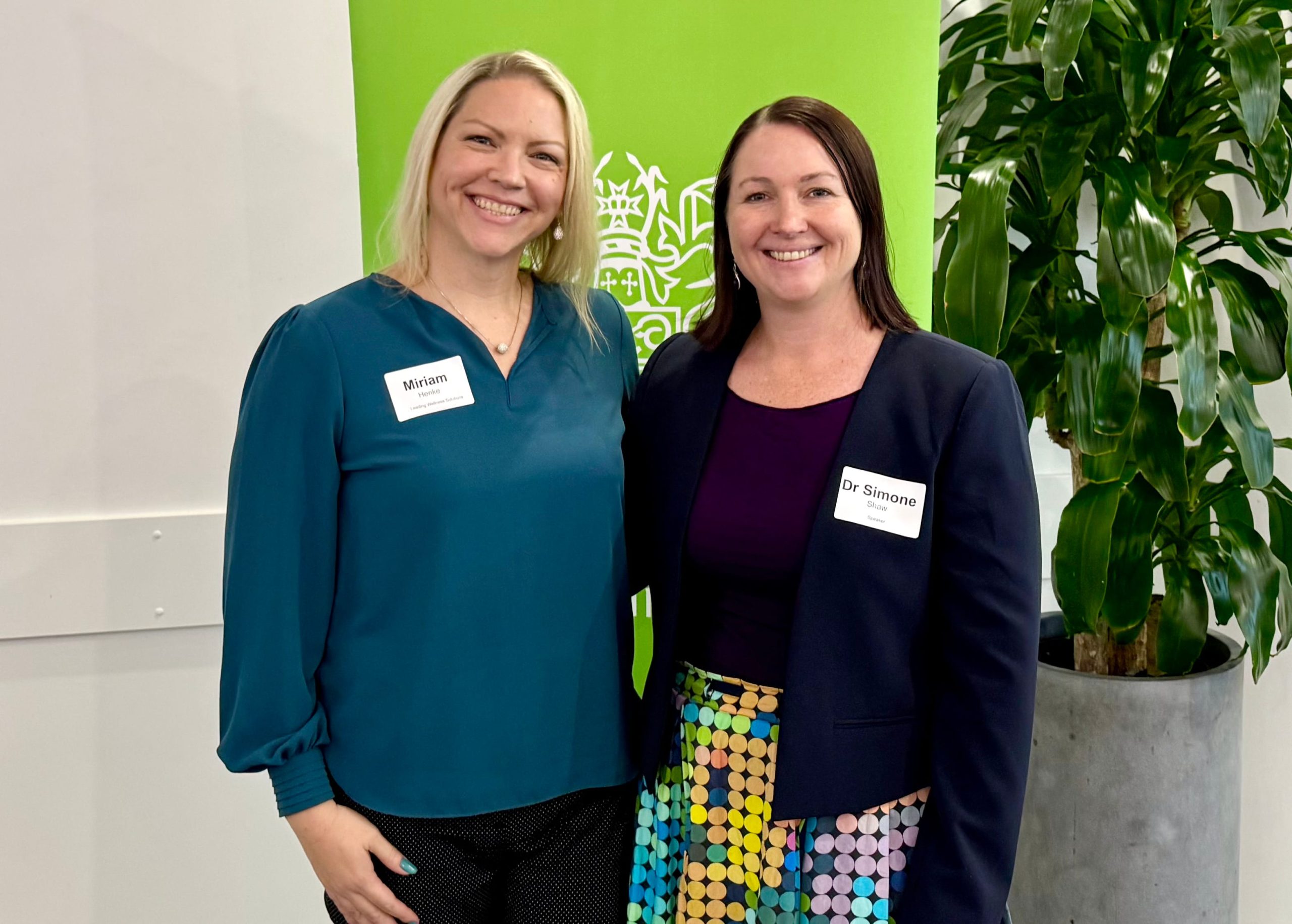
“Some of the most capable, intelligent, high-achieving people I work with are also the hardest on themselves. They assume that struggling means they’re failing. Often, resilience isn’t about building more strength – it’s about creating space for recovery and recognising human limits.” — Dr Simone Shaw
“I see resilience most clearly when someone pauses and makes a different choice. Often that choice involves boundaries, values, or asking for support earlier than they’re used to.” — Miriam Henke
What Resilience Looks Like in Practice
Resilient individuals are not immune to stress. They experience pressure fully but respond differently.
In practice, building resilience at work looks like:
- Recognising early signs of overload and taking meaningful action
- Regulating emotions rather than suppressing them
- Letting go of unhelpful perfectionism
- Maintaining perspective during challenging periods
- Seeking connection rather than isolating
- Aligning actions with personal and professional values
- Maintaining good lifestyle habits, such as quality sleep, good nutrition and regular movement
These are learnable skills and habits that can be strengthened with the right support and environment.
The Role of Leadership in Workplace Resilience
Leadership plays a critical role in shaping resilience across teams.
Research consistently shows that employees are more resilient when leaders:
- Communicate clearly and consistently
- Set realistic expectations
- Encourage autonomy and trust
- Model healthy boundaries
- Support psychological safety
When resilience is embedded at a leadership level, it becomes part of the culture – not just an individual burden.
How to Build Resilience: Practical Strategies at Every Level
Resilience is most effective when it’s supported systemically, relationally, and personally. Each level matters – and none can carry the load alone.
What Organisations Can Do to Support Workplace Resilience
Organisations play a powerful role in either strengthening or eroding resilience. Even the most capable individuals will struggle in systems that are chronically overloaded or unclear.
Evidence-informed organisational strategies include:
Design realistic workloads
Regularly review workload distribution, competing priorities, and role clarity. Chronic overload is not a resilience issue – it’s a system issue.
Create psychological safety
Foster cultures where people can speak up, ask for help, and admit mistakes without fear of negative consequences.
Support recovery and boundaries
Encourage genuine disconnection from work, respect leave, and avoid normalising constant availability.
Invest in prevention, not just crisis response
Resilience-building initiatives are most effective when offered proactively, not only once burnout has already occurred.
Align values with behaviour
When organisational values around wellbeing and sustainability are reflected in everyday decisions, trust and resilience increase.
What Leaders Can Do to Build Team Resilience
Leaders influence resilience not just through what they say, but through what they model and permit.
Effective leadership strategies include:
Set clear priorities and expectations
Ambiguity creates unnecessary stress. Clear direction reduces cognitive and emotional load.
Model healthy boundaries
Leaders who take breaks, disconnect appropriately, and manage their own energy give others permission to do the same.
Notice early signs of strain
Changes in behaviour, mood, or performance often signal overload. Early, supportive conversations matter.
Encourage autonomy and control
Where possible, allowing people choice in how they work increases motivation and resilience.
Normalise humanity
Acknowledging that pressure impacts people differently creates trust and strengthens team cohesion.
What Individuals Can Do to Strengthen Personal Resilience
Individual resilience is not about coping with everything alone. It’s about responding to stress in ways that are protective rather than depleting.
Psychologically grounded individual strategies include:
Develop awareness of stress signals
Learn to recognise early signs of overload – physically, emotionally, and cognitively – rather than waiting for burnout.
Regulate, don’t suppress emotions
Naming and responding to emotions reduces their intensity and supports clearer thinking.
Build recovery into daily life
Short, regular recovery practices are often more effective than occasional long breaks.
Challenge unhelpful thinking patterns
Perfectionism, self-criticism, and “shoulds” increase stress and reduce flexibility under pressure.
Reconnect with values and meaning
Resilience is stronger when actions are aligned with what genuinely matters, not just external demands.
Seek support early
Asking for support is not a failure of resilience – it is an expression of it.
Bringing It All Together
Resilience is strongest and great teamwork happens when organisations create supportive conditions, leaders model healthy practices, and individuals feel empowered to respond to stress with awareness and intention.
When responsibility is shared – rather than placed solely on the individual – resilience becomes sustainable, ethical, and effective.